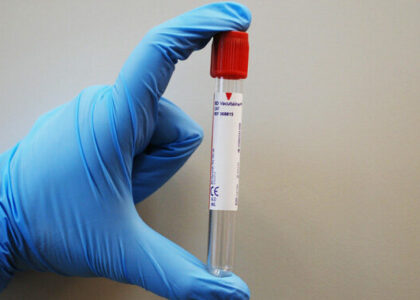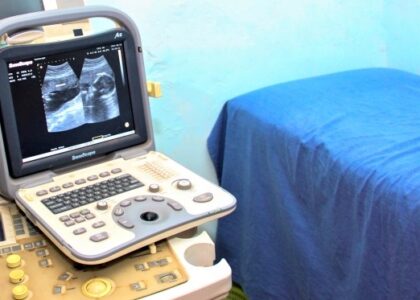
Health screenings are essential components of proactive healthcare, serving as a bridge between prevention and early intervention. These screenings, often paired with laboratory testing, enable individuals to stay informed about their health status and address potential issues before they become critical. Whether for routine monitoring or targeted assessment, health screenings play a vital role in enhancing overall well-being.
Early Detection Saves Lives
One of the most compelling reasons for health screenings is their ability to identify diseases early, often before symptoms appear. Conditions such as diabetes, hypertension, and high cholesterol are silent yet progressive. Through routine health screenings, these conditions can be detected and managed effectively, reducing the risk of severe complications such as heart attacks or strokes.
Similarly, screenings for cancers such as breast, cervical, and colon cancer enable early detection when treatments are most effective. For example, a Pap smear can identify precancerous changes in cervical cells, while a colonoscopy can detect polyps before they turn cancerous.
The Role of Laboratory Testing
Laboratory tests are an integral part of health screenings, providing critical insights that physical examinations alone cannot reveal. Some commonly included tests are:
- Blood Tests: These assess various health markers, such as cholesterol levels, blood sugar, and complete blood counts. For instance, a fasting blood sugar test can diagnose prediabetes, allowing for early lifestyle interventions.
- Liver and Kidney Function Tests: These evaluate how well these organs are performing and can identify potential damage caused by medications, infections, or chronic diseases.
- Hormonal Panels: Testing for thyroid hormones, sex hormones, or cortisol levels can uncover underlying endocrine disorders that may affect energy, mood, and metabolism.
- Infectious Disease Screening: Tests for conditions like HIV, hepatitis, or sexually transmitted infections (STIs) are critical for both individual health and public safety.
Personalized Preventive Care
Health screenings are tailored to an individual’s age, gender, family history, and lifestyle. For instance, younger adults may focus on cholesterol and STI testing, while older adults might prioritize screenings for osteoporosis or prostate cancer. This personalized approach ensures that screenings are relevant and beneficial, maximizing their preventive potential.
Cost-Effectiveness of Prevention
Investing in regular health screenings can lead to significant long-term cost savings. By catching conditions early, patients can avoid expensive treatments for advanced diseases and reduce the financial burden on healthcare systems. Moreover, preventive care often involves simple lifestyle changes that are far more affordable than managing chronic illnesses.
Encouraging a Culture of Health Awareness
Regular health screenings foster a proactive mindset toward health. They encourage individuals to take responsibility for their well-being and establish a relationship with healthcare providers. This culture of awareness and action not only benefits individuals but also promotes healthier communities.
Conclusion
Health screenings, complemented by laboratory testing, are indispensable tools for maintaining good health and preventing disease. By enabling early detection, guiding personalized care, and reducing healthcare costs, these screenings empower individuals to live healthier, more fulfilling lives. Prioritizing regular health check-ups is a small but impactful step toward a lifetime of well-being.